
Composting Worms in Townsville: A Practical Guide for Local Growers
What Are Composting Worms, and Which Species Suit Townsville?
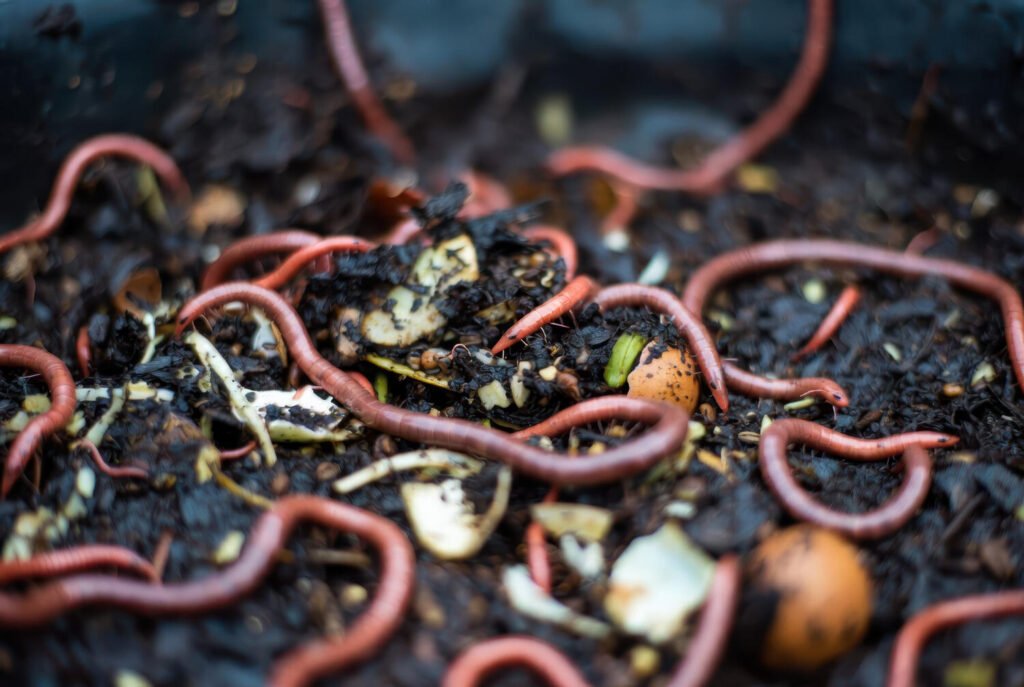
Quick Answer: Composting worms are epigeic earthworms that feed on organic matter near the soil surface to create Worm Castings Townsville. The species most commonly used to Start Worm Farm Townsville is the red wiggler (Eisenia fetida), which tolerates crowding and handles kitchen scraps well. It is not native to Australia, so keep it contained and avoid releasing it into gardens or bushland.
Composting worms differ from the deep-burrowing earthworms that aerate garden soil. Worm Farm Summer Queensland live in the upper layers of organic material and process it quickly. For home and small-scale use in Townsville, the choice of species matters for heat tolerance and containment.
Key Species Comparison
| Attribute | Red Wiggler (Eisenia fetida) | Tiger Worm (Eisenia andrei) |
|---|---|---|
| Common use | Worm farms, compost bins | Worm farms, compost bins |
| Feeding behaviour | Surface feeder, high appetite | Surface feeder, similar appetite |
| Heat tolerance | Moderate; needs shade and moisture | Moderate; needs shade and moisture |
| Handling | Easy to source and manage | Easy to source and manage |
Both species are widely used in Australian worm farming. Confirm current supplier stock and the species name before purchase.
How Hot Does Townsville Get for Worm Farming?
Quick Answer: Townsville’s wet-season heat can push bin temperatures beyond what composting worms tolerate. Keep farms shaded, keep bedding moist but not soggy, and keep bins off hot concrete. Check bedding temperature regularly during the hotter months, and move bins to cooler positions when readings rise.
Heat and moisture are the main threats to worm health in North Queensland. Excess heat drives worms to the bottom of the compost bin or causes mortality, while waterlogging reduces oxygen. Balance is the goal.
Seasonal Management Checklist
- Summer (wet season): Shade the bin fully, check moisture every few days, and reduce feeding if the bedding feels warm.
- Winter (dry season): Keep the bin covered, watch for drying, and feed moderately.
- All year: Use a lid or hessian cover, and provide drainage so excess liquid can escape.
Queensland Government agricultural guidance, published through the Queensland Department of Agriculture and Fisheries, is a useful starting point for regional management practices.
Worm Farm or Compost Bin: Which Is Better in Townsville?
Quick Answer: A composting and worm farming operation produces nutrient-rich castings faster and in a smaller footprint than a conventional compost heap, but it requires more careful temperature and moisture management. A compost bin tolerates heat more easily and handles larger volumes of garden waste. Be mindful of How Much Worm Castings To Use in your garden as it will influence the number of worms you cultivate, and of course the amount of organic waste required to feed them. Your choice depends on the waste you produce and how closely you can monitor conditions.
| Factor | Worm Farm | Compost Bin |
|---|---|---|
| Output product | Vermicast (castings) and liquid leachate | Finished compost |
| Speed | Faster breakdown of food scraps | Slower; depends on heat and turning |
| Space | Compact; suits balconies and small yards | Larger footprint |
| Heat sensitivity | High; requires shade and moisture control | Lower; heat can accelerate decomposition |
| Suitable waste | Vegetable scraps, coffee grounds, shredded paper | Garden waste, mixed organics, larger volumes |
| Maintenance | Regular monitoring of moisture and temperature | Periodic turning and watering |
Bold takeaway: For households with moderate food scraps and limited space, a worm farm is effective for domestic Worm Juice Fertiliser Townsville. For larger garden waste volumes, a compost bin with a worm-friendly section may suit better.
Where Can You Buy Composting Worms Near Townsville?
Quick Answer: Choose local suppliers who can confirm species identity, stock condition, and how worms were raised. Ask how they are packaged and transported, because heat during transit causes stress. Local pick-up reduces this risk. Keep your purchase record in case you later need to show where your worms came from.
When comparing suppliers, ask these questions:
- Species: Is the stock confirmed as Eisenia fetida or another named species?
- Condition: Are worms active, with minimal dead stock on arrival?
- Transport: Are worms kept cool and moist during delivery?
- Origin: Were worms raised in Queensland, are they suitable for Vermicast Fruit Trees North Queensland, and can the supplier confirm this?
Are There Rules About Moving Worms and Castings in Queensland?
Quick Answer: Queensland has biosecurity rules that can apply to the movement of soil, plant material, and some organic products. Check current requirements before moving worms, castings, or bedding between properties, regions, or states. Requirements change, so confirm with the Queensland Government before shipping outside Townsville or interstate.
Biosecurity rules exist to limit the spread of pests and diseases. Even when worms themselves are not restricted, the materials they live in may be. Before any movement, or when ordering Bulk Vermicast Townsville, check the current rules published by Biosecurity Queensland, and confirm local council requirements with Townsville City Council for waste-related questions.
What Is Vermicast, and How Do You Use It on Townsville Gardens?
Quick Answer: Vermicast is worm castings, a nutrient-rich material produced as worms digest organic waste. Apply it as a top dressing around plants or mix it into potting media. Use it in moderation, because heavy application can concentrate salts and affect plant growth. Start with a thin layer and observe your plants’ response.
How to Apply Vermicast
- Top dressing: Spread a thin layer around the base of plants, then water gently.
- Potting mix: Blend a modest proportion into your existing mix.
- Seed raising: Use sparingly, as seedlings are sensitive to concentrated material.
Vermicast Versus Compost
Vermicast is typically finer and more evenly broken down than general compost, which makes it useful for targeted feeding. Compost offers bulk organic matter for improving soil structure. Many Townsville gardeners use both, applying compost to build soil and vermicast for targeted nutrition.

Frequently Asked Questions
Can composting worms survive Townsville’s wet season?
Yes, with management. Shade the bin, keep moisture balanced, and avoid waterlogging. Reduce feeding during extreme heat, and move bins to cooler positions if bedding becomes warm.
Which food scraps should I avoid in a worm farm?
Avoid meat, dairy, oily foods, and large quantities of citrus or onion. These attract pests or change the bin’s pH and odour. Feed in small amounts and adjust based on how quickly the worms process food.
How often should I harvest vermicast?
Harvest when the bin is largely filled with castings and the food layer has been fully processed, typically several months after setup. Monitor the bin rather than following a fixed schedule, since conditions vary by season and feeding rate.
Can I keep a worm farm on a Townsville balcony?
Yes, if the balcony is shaded and sheltered from heavy rain. Keep the bin off direct sun and away from railings where heat builds. Check moisture regularly, because balconies can dry out quickly.
Practical Takeaways
- Choose a species suited to heat and containment. Use red wigglers (Eisenia fetida) and keep them out of natural habitats.
- Manage heat and moisture as priorities. Shade, drainage, and regular checks protect your worms through the wet season.
- Match the system to your waste. Worm farms suit kitchen scraps and small spaces; compost bins suit larger garden volumes.
- Verify biosecurity rules before moving materials. Check current Queensland requirements before any transfer of worms, castings, or bedding.
Taking the Next Step
If you are starting a worm farm in Townsville or the surrounding region, the right supplier and setup make a measurable difference in results. Earthworms Australia supplies composting worms and vermicast for local growers, with a focus on Townsville and the surrounding region. Review the range, confirm current stock, and speak with the team about setup for your climate and space.